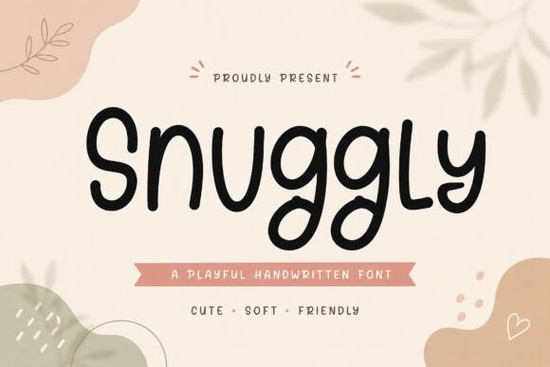
If you are working on a creative project that needs a touch of warmth, finding the right typography makes a big difference. The Snuggly Font offers exactly that kind of comfort through its handwritten style. Many designers turn to this tool when they want their message to feel approachable rather than rigid. Its smooth curves create an inviting atmosphere that helps customers connect emotionally with the visual material.
This typeface brings a cozy, handmade feel to various digital or physical assets. Whether you are building a brand identity or designing a simple invitation, the personality of the letters does much of the heavy lifting. By choosing a script that balances charm with clarity, you ensure your message lands softly but effectively. For those interested in exploring more options on the platform, checking out Snuggly Font provides access to the specific files needed for commercial use.
Why choose a handwritten style for customer-facing materials?
Handwritten typefaces have become popular because they mimic human interaction. In a world dominated by perfect digital shapes, imperfection feels authentic. When users read your copy, they feel spoken to personally rather than broadcasted at. This font captures that sentiment with natural strokes that vary slightly to look organic. It works particularly well for industries focused on care, family, or lifestyle products.
Using a friendly script helps break down the barrier between seller and buyer. It suggests transparency and kindness. If you run a boutique shop or a home-based bakery, this aesthetic aligns with expectations of quality and effort. It signals that real people made the product, not just a machine. This distinction matters deeply in markets saturated with mass-produced goods.
Can it handle longer text without losing its appeal?
One common concern with decorative lettering is whether it remains readable over multiple lines. While display fonts are great for headlines, some struggle with body copy. Fortunately, the balanced spacing and moderate weight of this character set make it versatile. You can use it for subheaders or quotes that need emphasis without sacrificing clarity. However, large blocks of detailed instructions are usually better left to neutral sans-serif fonts for maximum legibility.
The key lies in contrast. Pairing this script with a simpler secondary typeface creates hierarchy. Think of it as the lead singer in a band; it needs support from the rhythm section to hold the song together. Using the same font for everything can sometimes feel monotonous, so mixing styles allows the handwritten elements to shine where they belong.
What are some alternative styles for different moods?
Sometimes the softness of a rounded script does not fit the specific brand voice. Depending on your project goals, you might explore different variations of script designs available. If you prefer a slightly smoother flow for invitations, you could investigate similar collections like supporty script. These variations share the core characteristic of legibility while offering unique terminal shapes.
For summer-themed designs or energetic campaigns, a warmer tone might be needed. There are options that capture movement and sunshine, such as warm seasonal fonts. Conversely, if your design requires more elegance without being overwhelming, lighter weights may be appropriate. Delicate lines similar to delicate options like skinny deco work beautifully for formal events or luxury packaging.
Bold strokes add impact for posters or logos where attention is critical. Exploring resources featuring bold brush designs can help if you need high visibility. On the softer end of the spectrum, flowing lettering offers gracefulness that suits fashion or wellness contexts. Each choice shifts the emotional weight of the final output.
How do you prepare these files for production?
Once you acquire the package, proper installation ensures the best results. Check your operating system compatibility before opening the application software you plan to use. Most modern design tools handle standard OpenType formats without issues. If you encounter spacing issues, adjust the kerning manually in your vector graphics program. Handwritten fonts sometimes require extra tracking to look professional on wide banners.
Printing also introduces variables that screen viewing does not. Ink spread can fill in tight areas of lowercase letters if printed on cheap paper. Always run a test sample to verify how the ink settles on your chosen material. For apparel transfers, high-resolution previews prevent pixelation during scaling.
Practical checklist for your next design task
- Verify the license allows for your intended commercial use.
- Install the file to your local system folder.
- Pair with a contrasting sans-serif font for readability.
- Check kerning on wide headers before finalizing.
- Test a proof print on the actual substrate material.
- Export final images in PNG or SVG formats as required.
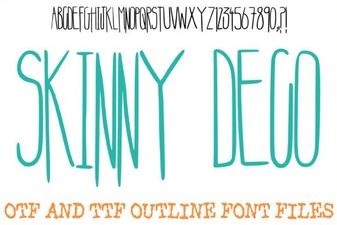 Skinny Deco Font for Modern, Minimalist Projects
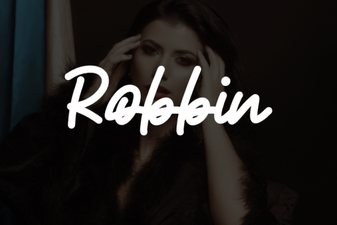 Robbin Font: Creative Projects and Design Tips
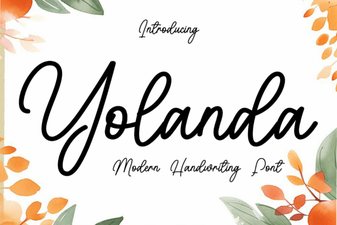 Yolanda Font: Creative Projects & Design Ideas
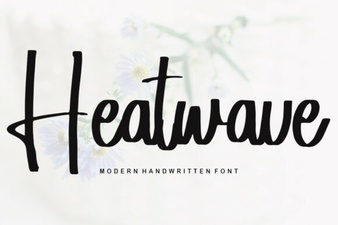 Heatwave Font: Creative Design Tips & Project Ideas
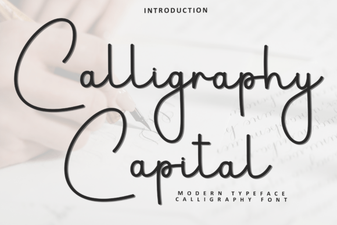 Creative Capital Letters: a Calligraphy Font Guide
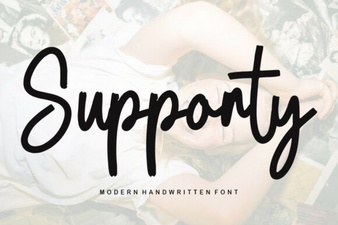 Supporty Font: Creative Ideas for Design Projects