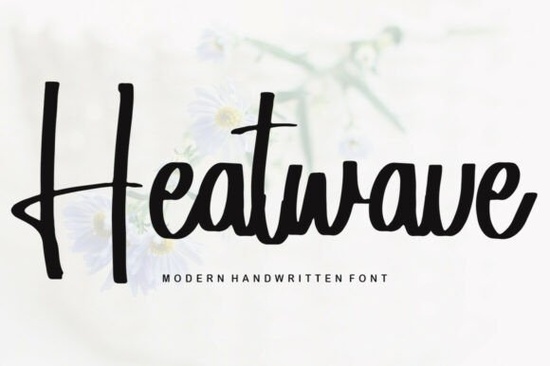
Choosing the right typography can make or break a design project, especially when you need something that feels personal and inviting. If you are looking for a typeface that balances elegance with a casual vibe, the Heatwave Font is a strong contender. This sweet and cursive handwritten font brings a gentle touch to various creative ideas. It works well for designers who want to add a joyful and romantic feel to their work without it looking too stiff or formal.
Many crafters and small business owners struggle to find scripts that remain legible while still looking fancy. This specific font family addresses that need by offering smooth curves that mimic natural handwriting. Whether you are creating branding materials or personal gifts, understanding how to utilize this style effectively can save you time during the design process.
What makes this typeface suitable for wedding designs?
Wedding stationery requires a delicate touch. Invitations, save-the-dates, and menu cards often need typography that feels special but not overwhelming. The gentle strokes of this script allow it to sit well on textured paper or digital invites. Because it maintains a casual elegance, it pairs nicely with simpler sans-serif fonts for body text. This contrast ensures that important details like dates and locations are easy to read while the headers capture attention.
Beyond paper goods, this style fits well on wedding websites and social media graphics. When you are promoting a wedding business, consistency is key. Using a consistent script across your logo and marketing promotion materials helps build brand recognition. It signals to clients that your style is cohesive and thoughtful. For print-on-demand sellers, this means you can create cohesive collections for mugs, tote bags, and wall art that appeal to couples planning their big day.
How does it compare to other handwritten styles?
Not all script fonts serve the same purpose. Some are too bold for delicate work, while others are too thin to read on smaller items. If you enjoy this specific aesthetic, you might want to explore similar options to see which fits your specific project needs. For instance, if you need something with a bit more sparkle or unique ligatures, you might consider checking out Pearl Diamond. It offers a different flavor within the same category of script fonts.
Legibility is often the biggest concern when choosing cursive typefaces. Some scripts connect letters in ways that can confuse readers. If you are designing for a wider audience, you might look at Yolanda to compare how different letterforms handle spacing and flow. Testing multiple options side-by-side helps you decide which one communicates your message most clearly.
For projects that require a softer, more comforting feel, such as baby shower invites or nursery decor, Snuggly could be another alternative worth reviewing. Each font has its own personality, and matching that personality to your project theme is essential. Similarly, if you need a script that stands up well against busy backgrounds, Supporty might offer the weight and structure you need. Finally, for a classic look that remains versatile across fashion lookbooks or branding, Robbin provides another solid option to keep in your toolkit.
Where can you apply this script in commercial projects?
Commercial use cases for this type of typography are vast. Fashion brands often use handwritten scripts to add a human element to their logos. It suggests that there is a person behind the brand, not just a corporation. This works particularly well for boutiques, handmade jewelry shops, and artisanal product lines. When customers see a handwritten style, they often associate it with care and craftsmanship.
Greeting card designers also benefit from these styles. A heartfelt message looks more authentic when written in a script that resembles actual handwriting. Marketing promotions on Instagram or Pinterest also perform well with this aesthetic. It stops the scroll because it feels personal rather than corporate. However, always check the license terms before using any font for commercial goods. Most creators on marketplaces allow for print-on-demand use, but verifying the specific rules for your intended product is a necessary step.
Practical checklist for using script fonts
Before you finalize your design files, run through this quick list to ensure quality results:
- Check legibility: Print a test copy at the actual size you intend to use. If you cannot read it easily, consider increasing the size or letter spacing.
- Pair wisely: Combine your script with a clean sans-serif or serif font for body text to create balance.
- Verify licensing: Confirm that your license covers commercial use, especially for physical products you plan to sell.
- Test contrasts: Ensure there is enough contrast between the text color and the background color for accessibility.
- Save versions: Keep a version with outlined text in case you need to share files with printers who do not have the font installed.
Taking these steps ensures your final product looks professional and meets industry standards. Whether you are making a logo for a local shop or designing a digital planner, the right typography sets the tone for the entire piece.
Explore Design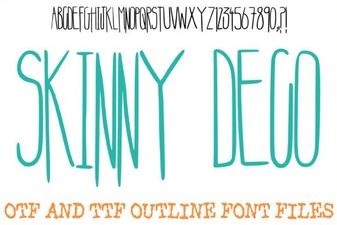 Skinny Deco Font for Modern, Minimalist Projects
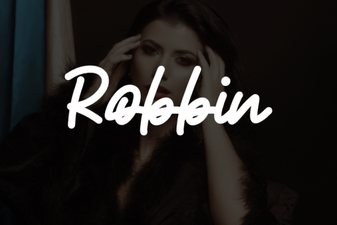 Robbin Font: Creative Projects and Design Tips
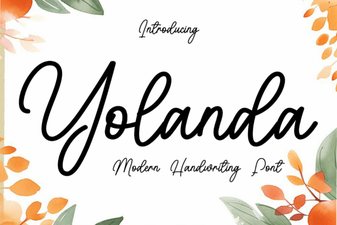 Yolanda Font: Creative Projects & Design Ideas
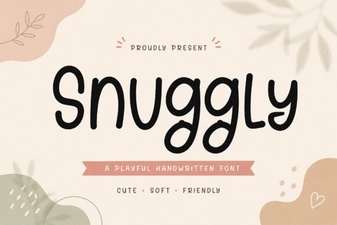 Snuggly Font: Warm & Friendly Typography Guide
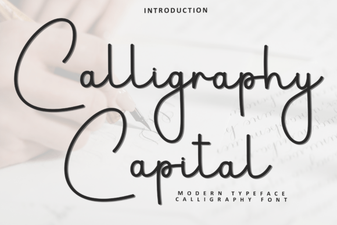 Creative Capital Letters: a Calligraphy Font Guide
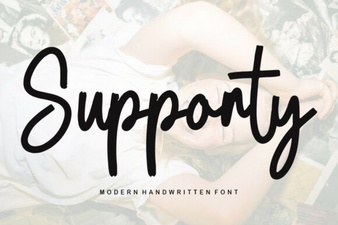 Supporty Font: Creative Ideas for Design Projects