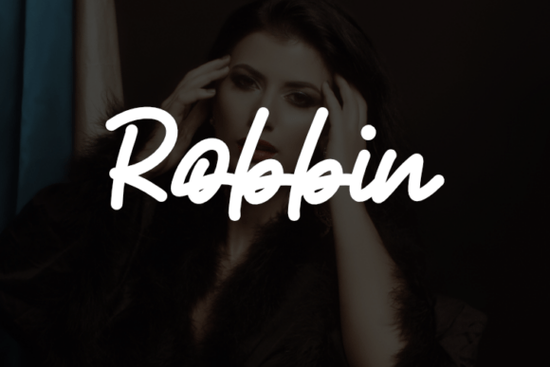
Choosing the right typography can make or break a design project, especially when you need something that balances elegance with readability. For many creators, the Robbin Font has become a go-to choice because it offers a modern script style that remains clear across different sizes. Whether you are designing wedding invitations, creating logos for small businesses, or making print-on-demand products, having a versatile typeface is essential. This typeface is designed to work smoothly in various environments, ensuring your text looks professional whether it is on a screen or printed on paper.
One of the main reasons designers prefer this option is the file format. It comes as an .otf (OpenType Font) file, which provides superior cross-platform compatibility. This means you can install it on both Mac and Windows systems without worrying about missing characters or layout shifts. It integrates seamlessly with industry-standard software like Adobe Creative Suite, as well as everyday tools like Microsoft Office. You do not need specialized plugins to make it work; simply install and start typing.
How does this typeface compare to other script options?
When browsing through available typography, you will find many styles that claim to be versatile. However, not all script fonts offer the same level of legibility. For example, if you are looking for something with a bit more flair, you might explore styles similar to the Yolanda style, which often features more decorative loops. On the other hand, if you need something softer for baby-related products, Snuggly might catch your eye with its rounded edges.
It is important to match the font personality to your brand. A high-energy summer campaign might benefit from something bolder like Heatwave, while a luxury brand might prefer the stark contrast found in Black Magic. The advantage of the Robbin typeface lies in its middle ground; it is elegant enough for formal events but clean enough for everyday business use. If you want to dive deeper into specific features, you can check our internal review on Robbin to see how it handles different character sets.
Which software programs support this file type?
Compatibility is often a hidden hurdle for crafters and designers. Some fonts only work in specific design tools, limiting where you can use them. Because this typeface uses the OpenType format, it is widely supported. You can use it in:
- Adobe Photoshop and Illustrator: Ideal for creating complex graphics and logos.
- Microsoft Word and PowerPoint: Great for drafting documents and presentations.
- Cricut Design Space and Silhouette Studio: Perfect for cutting machines and vinyl projects.
- Canva: Useful for quick social media graphics if you upload the file.
This flexibility saves time because you do not need to convert files or worry about errors when sending projects to a printer. It ensures that what you see on your monitor is exactly what ends up on the final product.
Where can you use this typography effectively?
The applications for this font are vast, covering both digital and physical media. For print-on-demand sellers, it works well on t-shirts, mugs, and tote bags where text needs to be readable from a distance. Small business owners often use it for packaging labels to give their products a handmade feel. Additionally, it is suitable for digital assets like ebook covers or website headers.
If you are planning to purchase this typeface for your next project, you can check the current availability and licensing options for Robbin Font directly at the source. Always review the license agreement to ensure it covers your intended use, especially if you are selling products commercially.
What should you consider before downloading?
Before adding any new typeface to your library, think about how it pairs with your existing fonts. Script fonts usually work best when paired with a simple sans-serif or serif font for body text. This creates a balance where the script stands out as a headline without overwhelming the reader. Also, consider the weight of the font. If you plan to print on dark materials, ensure the strokes are thick enough to remain visible.
Here is a quick checklist to help you decide if this is the right choice for your workflow:
- Check Compatibility: Verify it works with your primary design software.
- Review Licensing: Confirm commercial use is allowed for your products.
- Test Readability: Print a sample at your intended size to check clarity.
- Pairing: Select a secondary font for body text to create contrast.
- File Format: Ensure your operating system supports .otf files.
Taking these steps ensures you get the most value from your purchase and avoids technical issues down the line. Good typography is an investment in your brand's visual identity, so choosing a reliable option like this one can streamline your creative process.
Explore Design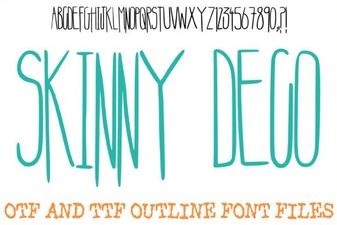 Skinny Deco Font for Modern, Minimalist Projects
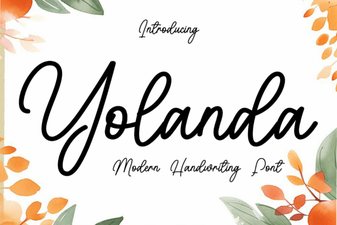 Yolanda Font: Creative Projects & Design Ideas
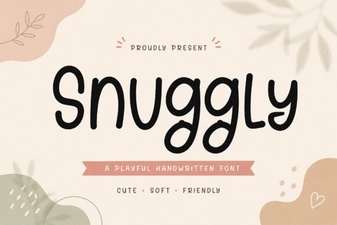 Snuggly Font: Warm & Friendly Typography Guide
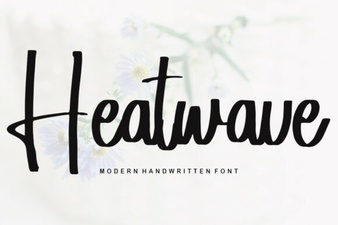 Heatwave Font: Creative Design Tips & Project Ideas
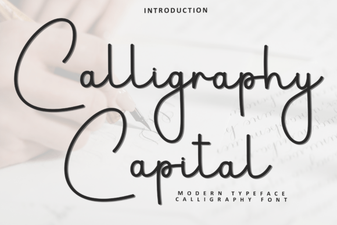 Creative Capital Letters: a Calligraphy Font Guide
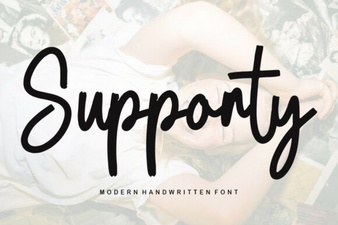 Supporty Font: Creative Ideas for Design Projects