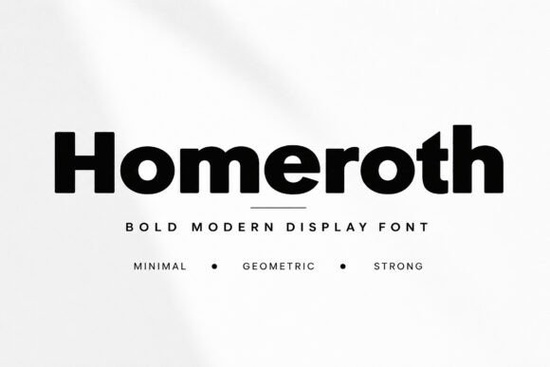
If you are looking for a typeface that commands attention without sacrificing readability, finding the right balance between boldness and clarity is essential. The Homeroth Font offers exactly that kind of presence for your design projects. It is built on strong geometric shapes and clean curves, making it a solid choice for modern branding efforts. Designers often struggle to find a display font that feels professional yet distinct, but this option bridges that gap by combining minimalist structure with high-impact personality.
What makes the geometry effective for branding?
The core strength of this typeface lies in its construction. Each letterform is crafted with precise proportions, ensuring that the weight feels consistent across the entire alphabet. This consistency is crucial when creating logos or headlines where uneven spacing can distract the viewer. The clean curves soften the geometric edges just enough to keep the text approachable, which is vital for customer-facing materials.
When you apply this style to a logo, it conveys confidence. Tech startups and fashion labels often seek this specific look because it suggests innovation and stability. Unlike script fonts that might feel too casual, or serif fonts that can appear traditional, this modern display option sits comfortably in the contemporary space. It works well on both light and dark backgrounds, giving you flexibility when designing packaging or digital ads.
Which projects benefit from this weight?
Heavy display fonts are not suitable for body text, but they excel in short bursts of communication. You should consider using this typeface for headlines, poster titles, and social media graphics where you need to stop the scroll. Print-on-demand sellers will find it particularly useful for t-shirt designs that rely on typography rather than complex illustrations.
For example, a beauty brand might use it for a limited edition product launch to create a sense of urgency and luxury. Similarly, lifestyle bloggers can utilize it for YouTube thumbnails or blog headers to maintain a cohesive visual identity. The key is to let the font breathe. Do not crowd it with other elements. Give it space to stand out, as its strength comes from its simplicity.
How does it compare to other display styles?
Understanding where this font fits within the broader landscape of typography helps you make better pairing choices. While this style is bold and modern, sometimes a project requires a different mood. If you are working on celebratory design projects that need a bit more whimsy, you might explore options like this specific event graphics collection to see how a softer touch compares.
For those who prefer sleek contemporary options that align closely with corporate identities, looking at another modern selection could provide useful alternatives. It is always good to have a few variations in your toolkit. On the other hand, if your client wants something with a retro vibe, vintage-inspired lettering might offer the nostalgia that a geometric sans-serif cannot.
Contrast is also important when building a brand suite. If you need softer visual identities for a secondary product line, pairing a bold header with a gentler subheader creates hierarchy. Conversely, for projects that demand intensity, darker aesthetic themes might be worth investigating to see how weight influences perception. Knowing these differences allows you to advise clients more effectively.
What technical details matter for users?
Before integrating any new typeface into your workflow, check the file formats included. Most professional fonts come in OTF or TTF formats, which are compatible with standard design software like Adobe Illustrator, Photoshop, and Canva. Ensure you have the correct license for your intended use, especially if you are creating items for sale.
Commercial licenses typically allow you to use the font in products you sell, such as merchandise or digital templates. However, always read the specific terms provided by the creator. Some licenses restrict the number of end products or require an extended license for large-scale manufacturing. Keeping your licenses organized prevents legal issues down the road.
Quick Checklist for Using Bold Display Fonts
- Check Legibility: Test the font at small sizes to ensure characters remain distinct.
- Pair Wisely: Combine with a simple sans-serif or serif for body text to avoid visual clutter.
- Verify Licensing: Confirm your license covers commercial use if you are selling designs.
- Test Contrast: Ensure the font color stands out clearly against your background image or color.
- Limit Usage: Use for headlines and logos only, not for long paragraphs of text.
Starting with a strong typographic foundation simplifies the rest of your design process. By choosing a versatile typeface, you reduce the time spent tweaking layouts and increase the time spent on creative concepts. Whether you are updating a brand identity or creating a new social media campaign, the right font does the heavy lifting for you.
Try It Free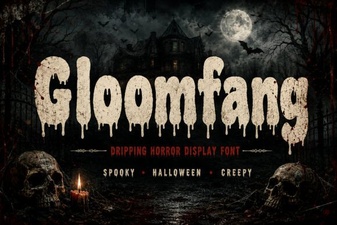 Gloomfang: Design with Gothic Horror Typography
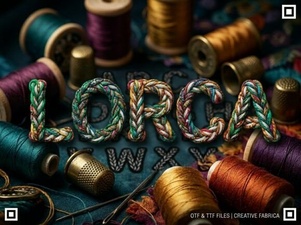 Lorca Font: Creative Projects & Modern Designs
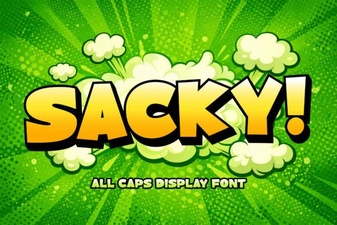 Sacky Font: a Playful Tool for Creative Design
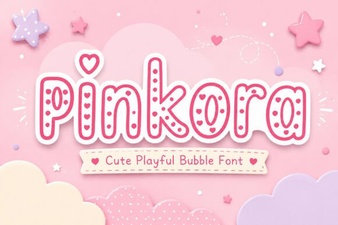 Pinkora Font: Creative Typeface Projects & Design Tips
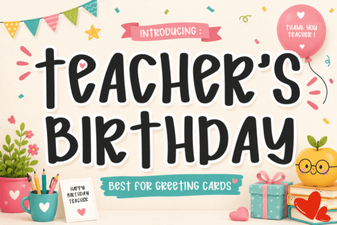 Creative Fonts for Teacher Birthday Projects
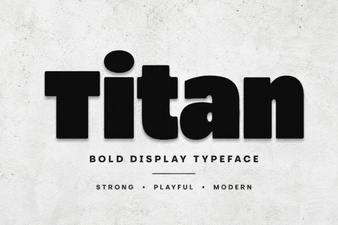 Elevate Your Designs with the Titan Font