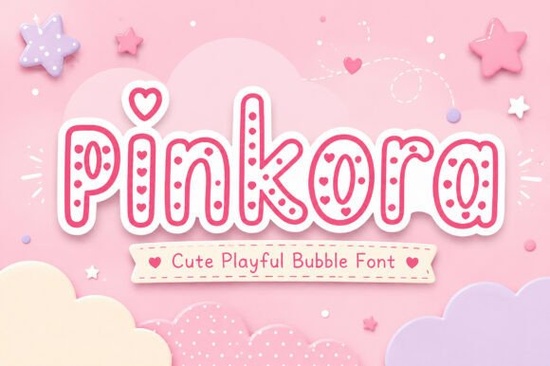
When you need to add a touch of warmth to your work, picking the right typeface matters more than you might think. A great option for creators who want charm without losing clarity is the Pinkora Font. This bubble-style display letter brings a handmade quality to text that standard sans-serifs simply cannot match. Whether you are putting together a birthday invitation or designing a logo for a new bakery, finding a character set that feels approachable helps connect with your audience quickly.
What makes a bubble font effective?
Display fonts like this rely heavily on shape to convey emotion. Since the letters feature rounded edges and dotted accents, they mimic hand-drawn sketches rather than rigid mechanical lines. This softness prevents the design from feeling cold or corporate. However, legibility remains key. You must ensure the spacing allows viewers to read the message clearly even when stretched or resized. For those exploring similar aesthetic styles, comparing it against retro inspired decorations offers good insight into how personality varies across different collections. Choosing a font with enough negative space inside the letters ensures your text stays readable on small items like stickers or tags.
Where can you apply this typeface?
The versatility of this character set extends far beyond simple greeting cards. Small business owners often use it for nursery decor because it signals comfort and playfulness. If you sell children’s clothing, using it on packaging adds an immediate layer of trust and cuteness. Similarly, candy packaging benefits from the sugary feel of the rounded forms. While some heavy-duty logos require stronger structures, projects requiring friendliness benefit greatly from softer curves. When considering alternative strengths, looking at heavier weight options can help you decide between bold impact versus gentle appeal. This flexibility allows you to maintain consistency across social media posts and physical merchandise.
Balancing readability with style
Every designer knows that pretty fonts sometimes struggle with long paragraphs. This is why it is usually best reserved for headlines, titles, or short labels. If you need body text to accompany it, pair it with a clean serif or sans-serif to ground the design. Sometimes you might find yourself needing smoother geometry for headers instead; in those cases, checking out smooth geometry styles provides a logical contrast. Mixing weights and styles keeps the final layout dynamic. You do not have to stick to just one font family to create a cohesive brand identity. Varying the visual weight helps guide the eye through the information hierarchy.
How do I prepare my files for production?
Before sending anything to a printer, check the included formats. Most digital downloads come in OTF, TTF, and WOFF variations. Using the correct version ensures your design software reads the outlines accurately. Vectorization tools often work best when working with display styles since they may have intricate dots or connections. If you run into issues, testing different kerning pairs helps fix gaps between curved letters. For those curious about unique character sets with distinct vibes, reviewing distinctive character sets can provide inspiration for troubleshooting common issues. Always backup your source files before editing them directly.
Why license correctly matters
Commercial rights allow you to sell products created with the font without legal trouble. Make sure you read the specific terms attached to your download. Some licenses cover unlimited physical units while others restrict web usage. Verifying these details protects your business reputation. If you love this style but want to browse further, checking the full library of choices lets you see what else fits your current project scope. Being informed about your permissions saves headaches down the road when scaling up your operation.
Here is a quick way to finalize your selection process:
- Test the font at 12pt size to check legibility.
- Print a sample sheet to evaluate ink spread on paper.
- Verify the license covers your intended use case.
- Compare kerning pairs to fix awkward spacing.
- Save the original files safely for future edits.
Making smart typography choices takes practice, but starting with a proven asset like Pinkora gives you a solid foundation for adorable projects.
Download Now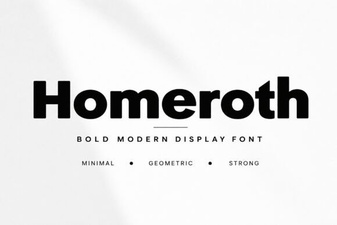 Design Creative Projects with Homeroth Font
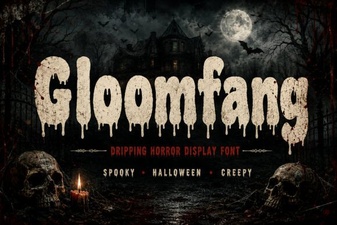 Gloomfang: Design with Gothic Horror Typography
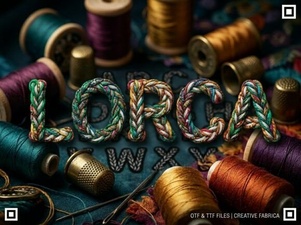 Lorca Font: Creative Projects & Modern Designs
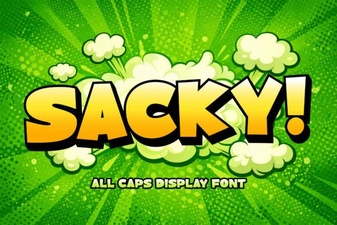 Sacky Font: a Playful Tool for Creative Design
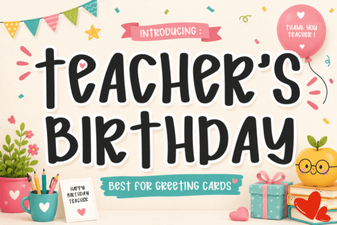 Creative Fonts for Teacher Birthday Projects
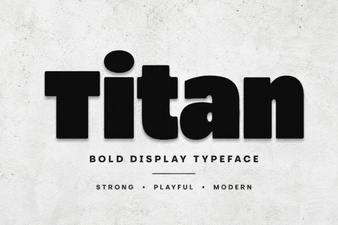 Elevate Your Designs with the Titan Font