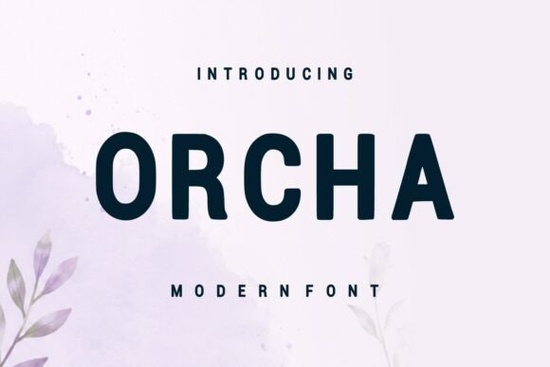
Finding the right typography is often the hardest part of a design project. You need something that reads well but still has character. The Orcha Font is a strong candidate for this balance. It offers clean lines without feeling boring. Many creators struggle with fonts that look good in a preview but fail in real applications. This typeface solves that by keeping proportions balanced. Whether you are making a logo or a social media post, the visual impact matters. A clean, modern display font can set the tone for your entire brand identity.
Why choose a modern display font for your logo?
Branding requires consistency. When you put your logo on a bag or a website header, the letters need to hold their shape. Smooth curves help here. They make the text feel approachable yet professional. If you are building a minimalist identity, you might look at this modern display option we covered earlier. It fits well in tech or lifestyle niches. Strong character shapes create eye-catching typography that works beautifully for both professional and creative applications. You do not want your brand name to get lost on a small screen.
Readability is key when customers are scanning a page. A sophisticated touch helps convey quality. Fashion labels often use this style because it looks expensive without trying too hard. The contemporary aesthetic ensures your design does not look outdated next year. Simplicity combined with elegance is a hard balance to strike, but this style manages it. It allows your product to speak louder than the decoration around it.
Can this typeface handle print-on-demand products?
Print-on-demand sellers need graphics that translate well to physical items. T-shirts, mugs, and posters all have different textures. Bold weights work best for headlines on these surfaces. If the lines are too thin, they might disappear during printing. This font delivers excellent readability while maintaining a unique and stylish personality. Packaging also benefits from strong character shapes. Customers read labels quickly in a store or online.
Modern advertising materials often rely on big, bold text. Website headers need to grab attention immediately. When designing a trendy product package, you need versatility. This style offers the visual impact needed to make your designs stand out. It is suitable for a wide range of industries, from fashion and beauty to technology. You can use it for business promotions without it feeling too casual. The clean appearance ensures that the message remains the focus.
What are the best alternatives for similar projects?
Sometimes you need a backup plan or a secondary font for pairing. If you want something slightly different, the Velora Font is worth a look. It shares that contemporary aesthetic. You might explore another clean alternative in our library for more details. Having options allows you to test different vibes with your audience. Some projects need a softer touch, while others need more structure.
Another option is the Rosvelle Font. It works well for fashion labels and magazine headlines. We also have notes on similar structured style typefaces for comparison. Comparing these helps you understand kerning and spacing differences. You might find that one works better for body text while the other shines in logos. Testing multiple options is part of the design process.
How do you ensure readability across devices?
Mobile screens are small. What looks good on a desktop might look cramped on a phone. Always check your typography on multiple devices before finalizing. Adjust the tracking if the letters feel too tight. This font's clean appearance and contemporary style make it suitable for digital use. However, always preview your work in context. A headline might need more breathing room than a subheader.
Pair this with a simple serif for body text to create contrast. Do not use too many fonts in one project. Stick to two or three maximum. This keeps the design cohesive. When designing a minimalist brand identity, less is often more. Let the typography do the heavy lifting. Your marketing campaign will feel more polished when the text is easy to digest.
Quick Checklist for Using Display Fonts
- Check Licensing: Ensure you have the right license for commercial use.
- Test Contrast: Make sure the text stands out against the background.
- Verify Spacing: Adjust kerning for logos to ensure even gaps.
- Preview on Mobile: Always check how headers look on small screens.
- Limit Variety: Use no more than two font families per design.
Start by downloading the file and installing it on your system. Open your design software and type out your brand name. Experiment with different sizes to see where it looks strongest. If you are unsure, print a test copy on paper. Seeing the text in physical form can reveal issues you missed on screen. Once you are happy with the look, apply it consistently across all your materials.
Learn More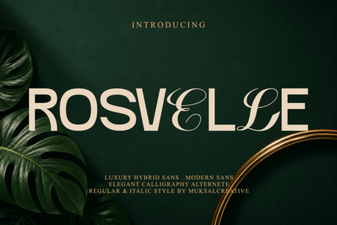 Rosvelle Font: Elegant and Creative Designs
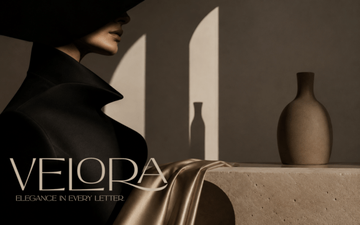 Velora Font: Design Value and Creative Uses
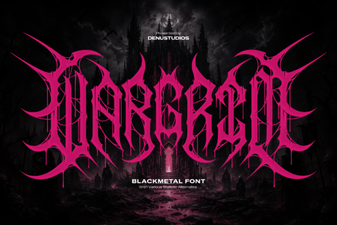 Wargrim Font: Creative Applications and Design Tips
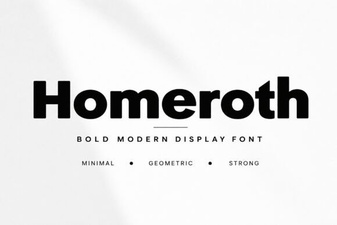 Design Creative Projects with Homeroth Font
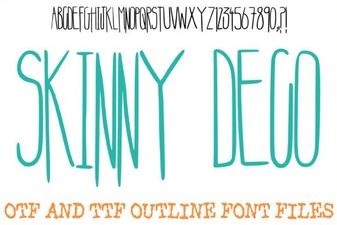 Skinny Deco Font for Modern, Minimalist Projects
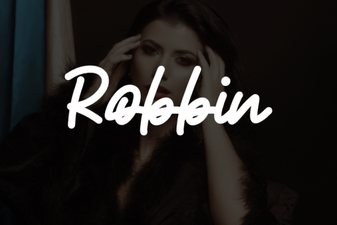 Robbin Font: Creative Projects and Design Tips